
Albany Real Estate and Property Records Search
Albany property records are maintained by Dougherty County offices. You can search these public documents online. The Dougherty County Tax Assessor handles property valuations. The Clerk of Superior Court maintains real estate deeds. These records show ownership history, tax assessments, and property details. Most Albany property records are accessible through county and state websites.
Where to Find Albany Property Records
Dougherty County offices maintain all property records for Albany. The Tax Assessor provides property valuations. They assess property at 40% of fair market value. You can search their database online through QPublic. The office is located in the county government complex.
The Dougherty County Clerk of Superior Court handles deed records. Real estate documents are maintained at the courthouse. You can access these through the GSCCCA statewide portal. The portal covers all Georgia counties. Records date back to 1999 in the digital index.
The Dougherty County Tax Commissioner collects property taxes. Their office processes tax payments. They mail tax bills each year. You can pay online through their website. They also handle questions about tax amounts and due dates.
Note: The Dougherty County Tax Assessor conducts field reviews throughout Albany neighborhoods.
How to Search Albany Property Records Online
Multiple tools exist for finding Albany property records. The QPublic portal lets you look up parcels by address. You can search by owner name or parcel ID. Results show assessed values and tax information. You can also view property details and improvement values.
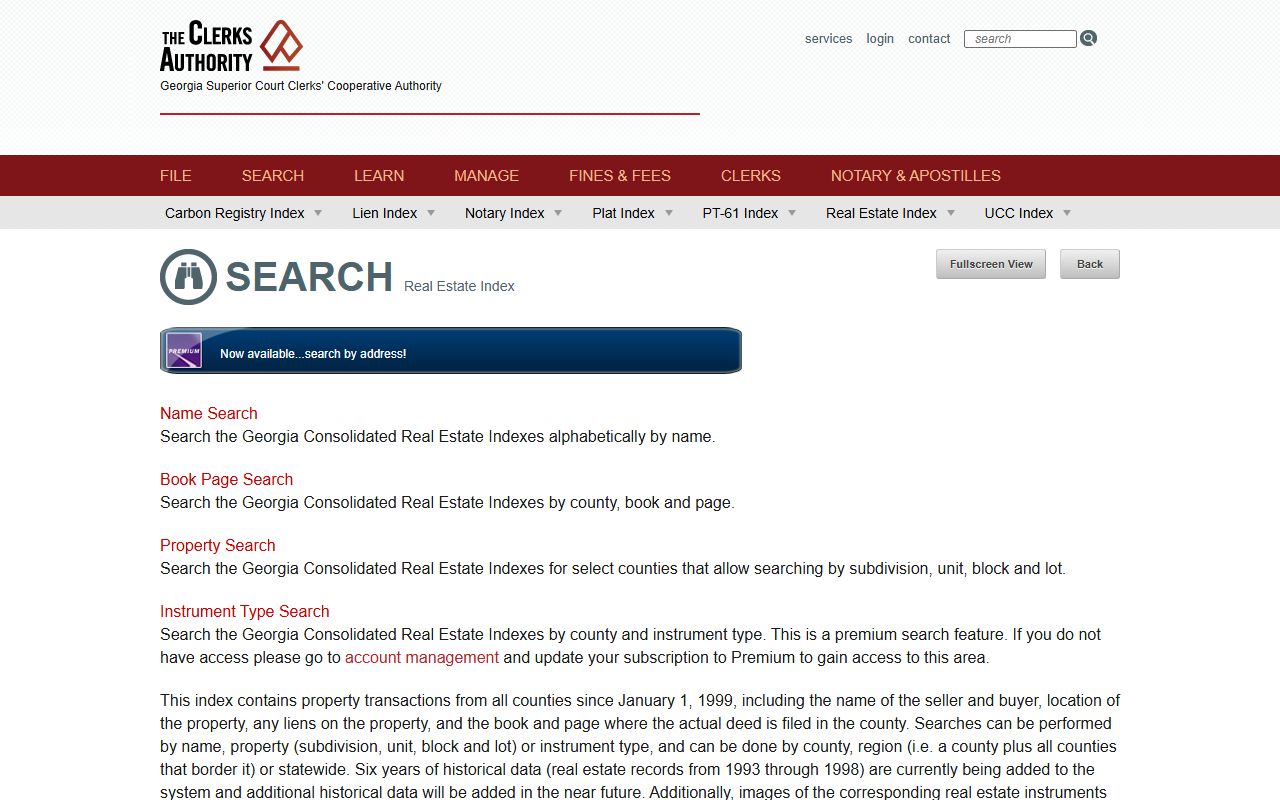
The GSCCCA real estate index covers deed records. This statewide database includes Dougherty County transactions. You can search by buyer or seller name. Property searches work by subdivision and lot number. The index covers records since January 1, 1999.
To search effectively, gather key details first. You will need the property address. The owner's name helps too. A parcel identification number works best. This number appears on tax bills and assessment notices.
Here are the main ways to search Albany records:
- QPublic online property search by address or parcel
- GSCCCA real estate index for deeds and transactions
- Tax Commissioner website for tax bill information
- In-person visits to county offices
Types of Albany Real Estate Records Available
Albany property records include several document types. Deeds show property ownership transfers. Warranty deeds guarantee clear title. Quitclaim deeds transfer whatever interest exists. Security deeds serve as mortgage documents. These records are filed with the Clerk of Superior Court.
Tax records show how much properties are worth. Dougherty County sends assessment notices each year. These state the fair market value. Georgia law defines this value. It is what a willing buyer would pay. The assessed value equals 40% of this amount.
Property tax bills come from the Tax Commissioner. They show taxes owed based on assessed values. The bills include county and city taxes. School taxes appear separately. You can view current and past tax bills online.
Liens affect property titles in Albany. Tax liens come from unpaid property taxes. Mechanics liens result from unpaid construction work. These attach to the property. They must be cleared before sale. UCC filings secure loans on personal property.
Dougherty County Offices for Albany Property Searches
The Dougherty County Tax Assessor values all Albany property. They follow Georgia Department of Revenue guidelines. Their mission is fair and accurate assessments. They provide customer service to property owners. You can contact them through the county offices.
Their office accepts homestead exemption applications. These reduce tax bills for primary residences. The deadline is April 1 each year. You can apply online or in person. Exemptions save Albany homeowners money.
The Dougherty County Tax Commissioner handles tax collections. Office hours are Monday through Friday. They typically open at 8:00 AM and close at 5:00 PM. You can pay taxes online anytime through their portal.
The Clerk of Superior Court maintains recorded documents. Their real estate division handles deed filings. You can request copies of documents. Fees apply for certified copies. Most records are also online through GSCCCA.
Note: Dougherty County assessment notices typically mail in late spring each year.
Albany Property Assessment Appeals Process
Property owners can appeal assessments in Albany. The process starts with your annual notice. You have 45 days to file an appeal. The deadline appears on your notice. Missing this date forfeits your right to appeal.
Appeals go to the Dougherty County Board of Equalization. This independent board reviews cases. You can present evidence at a hearing. Comparable sales support your case. Photos of your property help too.
Other appeal options exist. You can choose arbitration. A hearing officer is another choice. Each option has different procedures. All follow Georgia law under O.C.G.A. 48-5-311. Consider consulting a tax professional.
The board may conduct field reviews. Appraisers visit properties during appeals. They verify property characteristics. Staff carry county identification badges. This ensures accurate valuations.
State Resources for Albany Property Record Searches
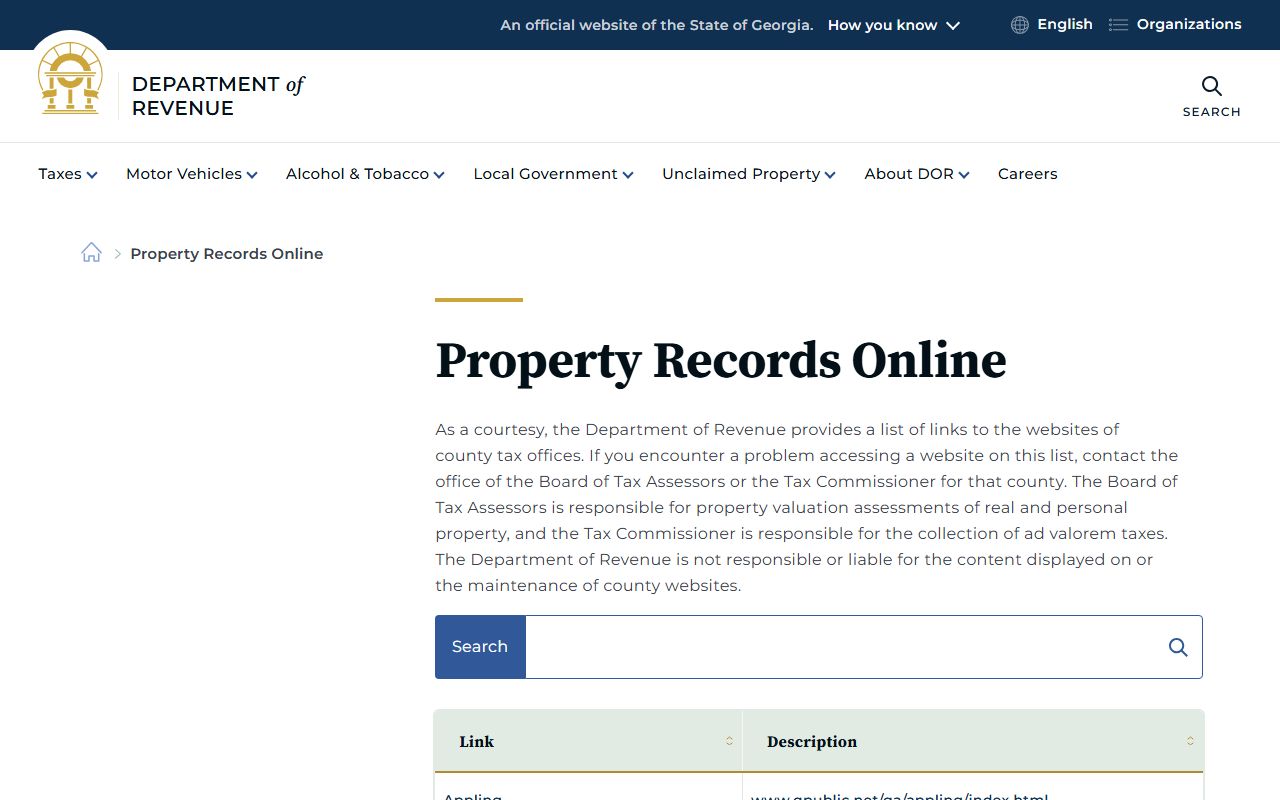
Georgia state agencies support local record keeping. The Department of Revenue oversees assessment practices. They provide guidance to county assessors. Their website lists all county tax offices. You can find forms and procedures there.
The GSCCCA maintains the statewide real estate index. This covers all 159 Georgia counties. Albany and Dougherty County records are included. You can search by name or property. The database goes back to 1999.
FANS protects Albany property owners. This free service monitors filings. It alerts you to documents with your name. You receive email notifications quickly. This helps prevent deed fraud. Sign up at fans.gsccca.org.
Related Albany Property Record Resources
Dougherty County is the primary jurisdiction for Albany. You may also want to explore state-level databases. These provide additional property information. They complement county resources well.